
September 21, 2026
Technology Transfer & Power Equipment Supply for Energy Sector
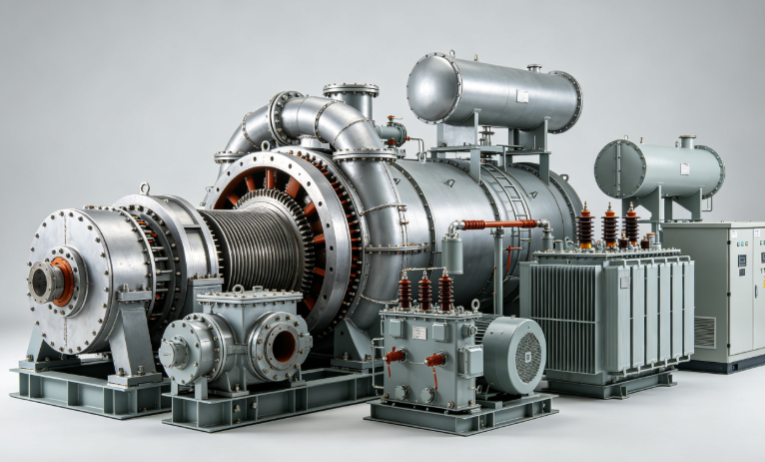
Table of Contents
1. Introduction: Technology Transfer and Equipment Supply in Modern Energy Industry
2. Main Scope of Energy Sector Technology Transfer Services
3. Full range Power Equipment Supply Portfolio for Energy Projects
4. Global Energy Market Statistical Overview
5. Key Technical & Compliance Requirements for Cross border Energy Cooperation
6. Core Advantages of Integrated Technology Transfer plus Equipment Supply Mode
7. Typical Application Scenarios for Energy sector Cooperation
8. Risk Control Points for Cross border Energy Technology & Equipment Projects
9. FAQ
H2: 1. Introduction: Technology Transfer and Equipment Supply in Modern Energy Industry
Global energy infrastructure construction keeps expanding, driven by energy transition and growing power demand. Many overseas project owners require not only hardware procurement, but also mature process know how, operation guidance and localized technical capability building.
Combined technology transfer & power equipment supply delivers complete project enablement: supplying qualified power hardware meanwhile transferring manufacturing, operation maintenance or process optimization technologies. This integrated model helps clients shorten project construction cycles, lower trial and error costs and cultivate local energy industry technical teams.
Whether for thermal power, hydropower, new energy power stations or grid support facilities, the synergy of technology transfer and equipment supply has become a mainstream cooperation form for international energy sector projects.
H2: 2. Main Scope of Energy Sector Technology Transfer Services
H3: 2.1 Process & Manufacturing Technology Licensing
· Core component processing technology for power generation equipment
· Assembly, debugging and testing procedures for complete power sets
· Production line layout design for local equipment manufacturing
H3: 2.2 Operation & Maintenance Technology Transfer
· Standard operating procedures for power station units
· Fault diagnosis, routine maintenance and overhaul technical manuals
· Staff training system for local operation maintenance teams
H3: 2.3 Project level Engineering Technology Output
· Plant layout optimization, process flow design
· Energy saving transformation technology, emission reduction process solutions
· Localization adaptation technology for different regional climatic conditions
H2:3. Full range Power Equipment Supply Portfolio for Energy Projects
Equipment Category | Main Product Range | Typical Project Application |
Power Generation Core Equipment | Generators, turbine units, boiler assemblies, new energy power generation host equipment | Thermal power plants, hydropower stations, solar & wind energy projects |
Power Transmission & Transformation Equipment | Transformers, high voltage switchgears, power cabinets, busbar systems | Substation construction, grid connection of power plants |
Auxiliary System Equipment | Cooling systems, dust removal & desulfurization devices, control & PLC systems | Whole plant auxiliary supporting for various energy stations |
Spare parts & Consumables | Core wearing parts, special fittings for power equipment | Long term stable operation & equipment overhaul |
H2:4. Global Energy Market Statistical Overview
According to international industry research data, global investment in energy infrastructure reached USD 2.38 trillion in 2025, among which cross border equipment supply and technology transfer related investment accounts for approximately 22.7 % of total energy infrastructure investment.
表格
Project Type | Proportion of Cross border Tech Equipment Cooperation | Main Market Demand Features |
Renewable Energy Projects | 41.2 % | Demand for new energy equipment, local manufacturing technology transfer |
Thermal Power Upgrading & New build | 28.5 % | High efficiency low emission units, energy saving retrofitting technology |
Grid & Substation Construction | 22.3 % | Transmission transformation hardware, grid operation management technology |
Hydropower & Other Clean Power | 8.0 % | Complete set generating units, hydropower station EPC supporting technology |
Many emerging market countries intend to build local energy manufacturing capacity. They prefer procurement bundled with technology transfer, rather than only purchasing finished power equipment.
H2:5. Key Technical & Compliance Requirements for Cross border Energy Cooperation
Cross border technology transfer and power equipment supply projects face multiple technical standard and legal compliance barriers.
1. Equipment shall match local grid standards, voltage grade and climatic environment
2. Technology transfer contents shall comply with export control regulations and intellectual property rules
3. Complete technical documents: drawings, test reports, operation manuals, material certificates
4. Local certification acceptance for power equipment according to target country industry norms
5. Clear definition on technology usage scope, confidentiality clauses and follow up technical support boundary
H2:6. Core Advantages of Integrated Technology Transfer plus Equipment Supply Mode
· Shorten project cycle: Equipment delivery and technical documentation output progress can be synchronized
· Reduce overall project risk: Hardware and supporting technology originate from one supplier, avoiding mismatching between equipment and process parameters
· Realize local capacity building: Clients obtain not only finished products, but reproducible technical capabilities
· Convenient follow up iteration: Unified supplier for equipment upgrade, spare parts supply and technical update service
· Optimize total life cycle cost: Reduce long term overseas service expense after project hand over
H2:7. Typical Application Scenarios for Energy sector Cooperation
H3:7.1 New built Energy Station Project
Supply complete set power generation and auxiliary equipment; meanwhile transfer unit commissioning, operation maintenance technology and train local technicians.
H3:7.2 Localized Manufacturing Capacity Building
Supply key production equipment; transfer processing assembly technology, help clients set up domestic power equipment manufacturing workshops.
H3:7.3 Old unit Renovation & Energy saving Retrofit
Supply upgraded key components; transfer energy saving transformation technology, improve efficiency and reduce emission of existing power facilities.
H2:8. Risk Control Points for Cross border Energy Technology & Equipment Projects
1. Clarify intellectual property ownership and authorized usage scope in contract
2. Distinguish boundary between technology transfer service and pure equipment supply
3. Confirm target country import permit, product certification and export control requirements in advance
4. Set phased acceptance indexes for equipment delivery and technology transfer milestones
5. Define after sales service scope, on site service conditions and remote support mechanism
H2:9. FAQ
H3: Q1: What is the difference between pure power equipment supply and technology transfer bundled supply?
A: Pure equipment supply only delivers hardware products and basic operation manuals. Technology transfer bundled supply adds know how output, process documentation, personnel training and capability building services, helping clients master related production or operation technologies.
H3: Q2: Can technology transfer services be separated from equipment supply?
A: In some cases yes. But most energy sector cross border projects adopt bundled cooperation. Separated technology licensing will require independent verification on local production conditions of clients.
H3: Q3: How to guarantee technology transfer effect for overseas clients?
A: Adopt phased acceptance, combine document hand over, theoretical training and on site practical guidance. Set clear assessment indexes for local technician mastering degree as acceptance basis.